On Assumptions and Continuous Evidence
Everything, and yes I do mean everything, is an assumption. Here's how ProblemOps specialists prevent freezing when everything is an assumption.

Here's an audio and text version of this lesson:
Inspiration from Steve Jobs: What Makes Great Ideas Happen?
"The disease of thinking that a great idea is 90% of the work...it's that process that is the magic..." - Steve Jobs
A great idea is nothing without great teams working together. Credit: Steve Jobs https://www.youtube.com/watch?v=Qdplq4cj76I
Working with Assumptions
It takes a lot of decisions in order to deliver change into the world. It starts with ideas, and ends in a lot of energy. People form ideas from a lot of places. They base them on previous work, lived experiences, or research evidence. Or, let's be honest, ideas could come from a gut instinct. A vague sense of "a good idea". We change makers and problem-solvers turn to evidence collection when ideas come up. Validating the idea should be the first step. Collecting evidence is key.
But wait! There's more!
Evidence is not enough. No matter how much evidence we have in something, it's still an assumption. Everything is an assumption until we get billions of data points. Something called a "representative sample" of the population. That usually only happens when something launches and we get a whole lot of people to use it over time.
Assumptions are everything. We often act as if decisions are truth but they could be the wrong decisions. The only way to tell is to get representative sample data. To ship and learn.
There's a problem with waiting for a large size of data for every single decision that a team must make. You may have guessed it. That takes a lot of time. How could teams collect that much data and take that much time before they launch something? The speed of business may not warrant taking that long.
Well, most teams don't. And they don't need to.
Teams should continuously improve their knowledge about ideas:
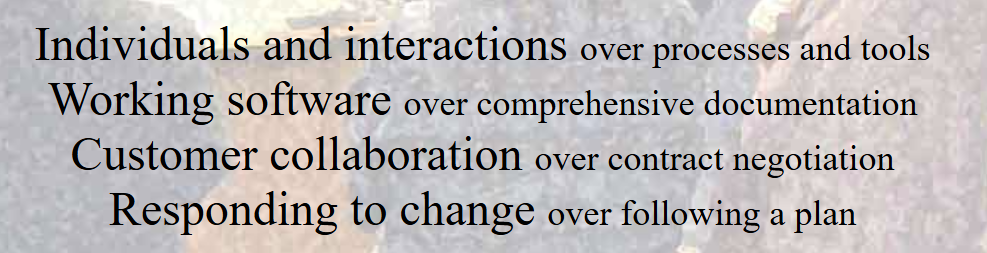
- Talking it out with people to form a living process
- Delivering work into the hands of people quickly and often
- Collaborating with customers to form vision
- Changing direction based on current knowledge
Teams can test assumptions and refining vision constantly. Over time, they deliver more value to users and validate more assumptions.

Over time, their knowledge about everything around them builds too. Their knowledge about the world, about users, about the problems, evolves as they deliver.

This is cyclical in nature; every time something gets delivered, new assumptions form, and the team should keep validating every new assumption being made.
When they deliver they form new "conclusions" which...you guessed it...are assumptions!
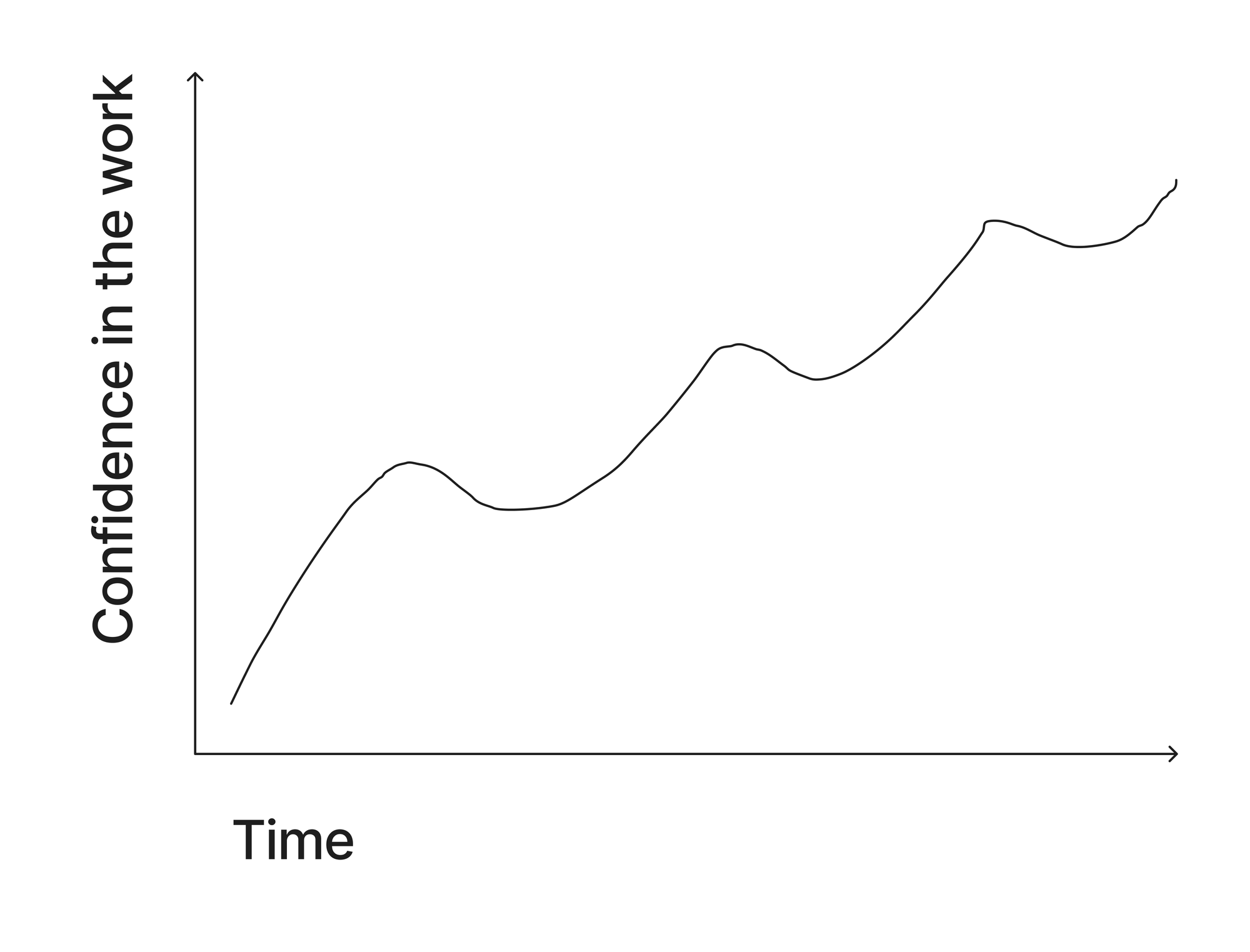
Research conclusions are not the truth. They are assumptions about which your team feels more confident to move on. Teams build more confidence in their assumptions as they continue to learn.
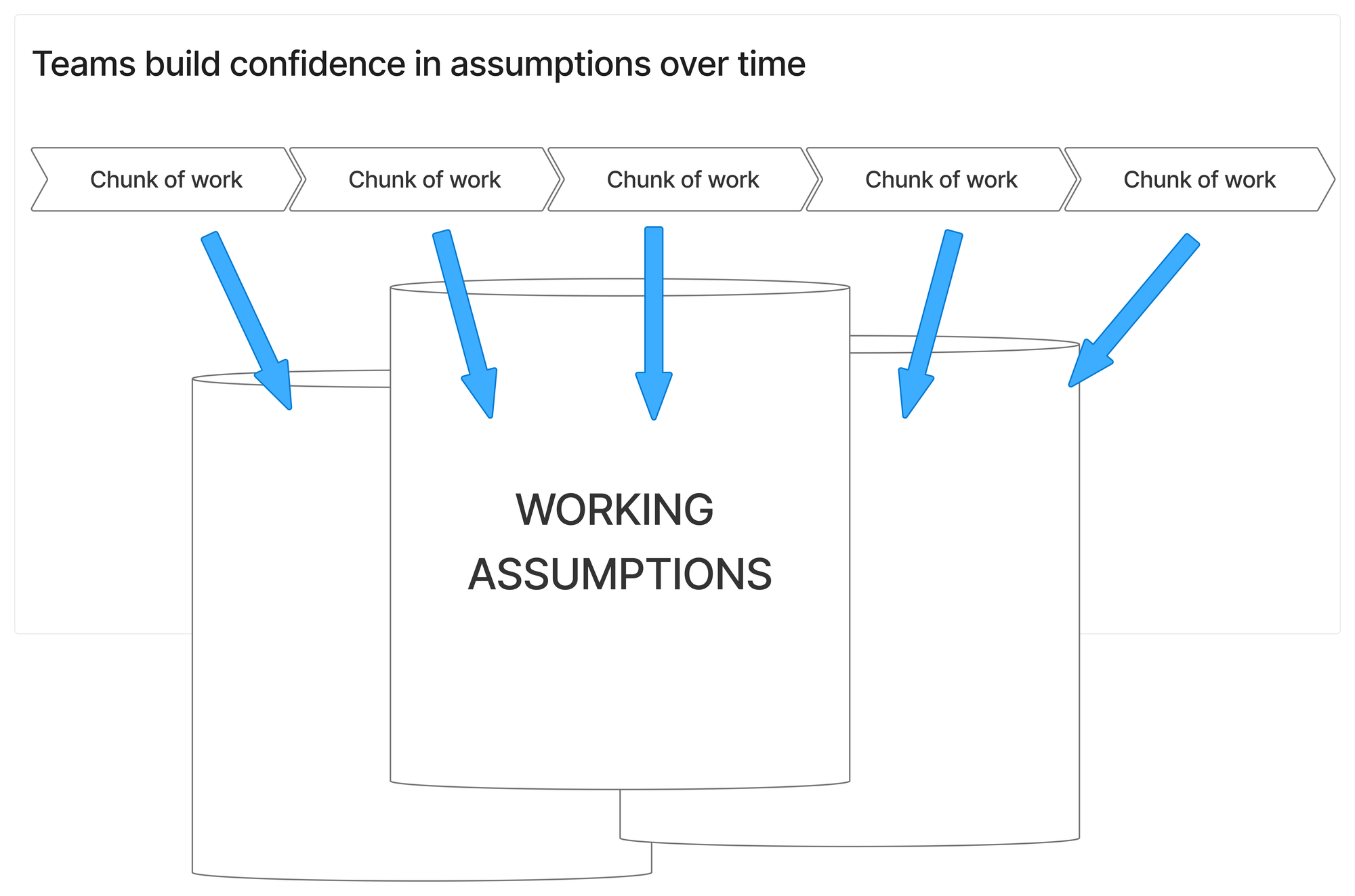
But they never get to "the truth" until they get representative sample data. Millions of data points.
Until then, teams work off assumptions.
And the cycle continues. Teams look at results, re-prioritize assumptions, validate more, and repeat again.
Teams who deliver early and often become more confident in their direction.
Following the Scientific Method in Business
In a time when speed is a major focus, you are still following the Scientific Method.
Guess why?
Because everything is an assumption!
Your boss's orders are an assumption. Those great ideas your marketing department had? Assumptions. The latest round of research conclusions? Assumptions. That solution you are building quickly? Assumption. Your design decisions that designer made? Assumptions. The release plans? Assumptions. The priorities on a roadmap? Assumptions. The business model? Assumptions. That thing your manager told you to do? Assumption. That feature the user requested? Assumption. The instructions your fitness instructor gave you? Maybe hard fact. But probably an assumption.
"Validation" could mean launching the product and testing after launch. It could mean getting reviews. It could mean research with people who will use the product. Validating doesn't need to mean that months and months are spent doing tons and tons of evidence collection. Not when everything is an assumption. Treat everything like an assumption and you can validate progressively.
Everything you deliver is "provisional": good enough based on the knowledge you collectively have as a team.
Treat everything like an assumption and you can move as quickly as you need to. No matter whether you have "evidence" or no "evidence", you're still moving with assumptions.
But the most important step is to ensure that you and the people working with you agree about:
- How to describe the assumptions
- The risk level
- How confident the team feels about the assumption
This takes the language of change to form statements with a shared language.
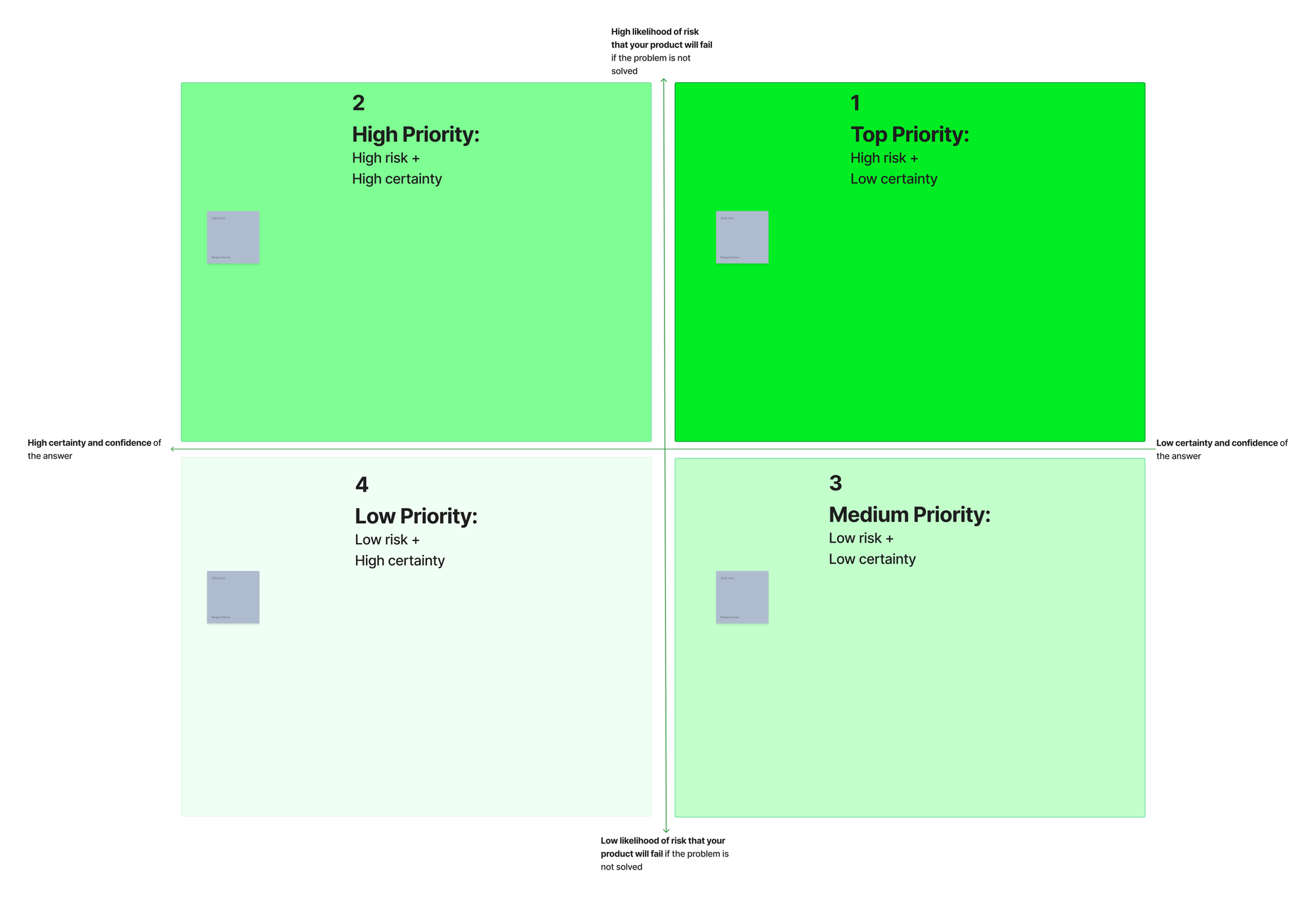
Together, you can rank the assumptions based on risk and certainty level. You can decide together which assumptions to prioritize first.
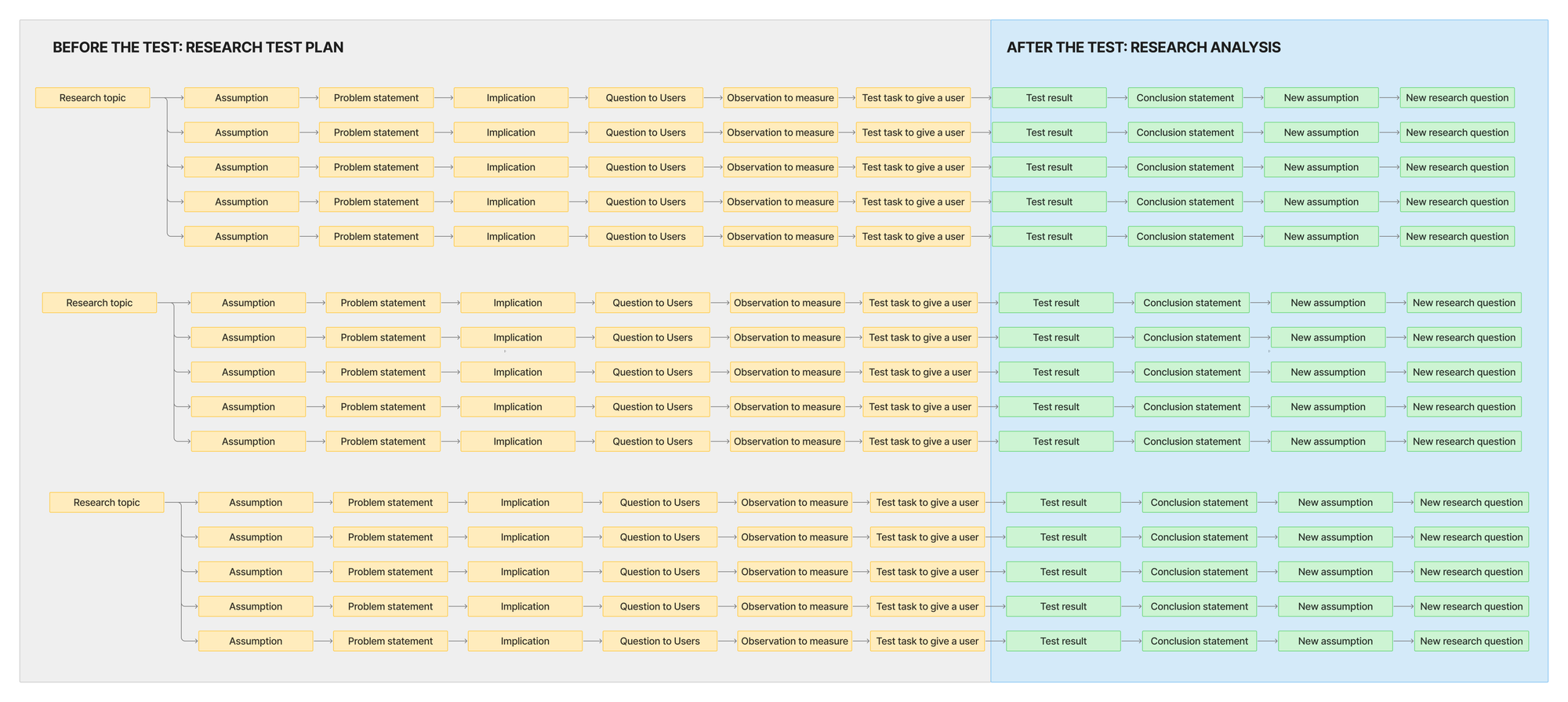
Use this template to work as a team and rank your assumptions.
Validate, Learn, Repeat
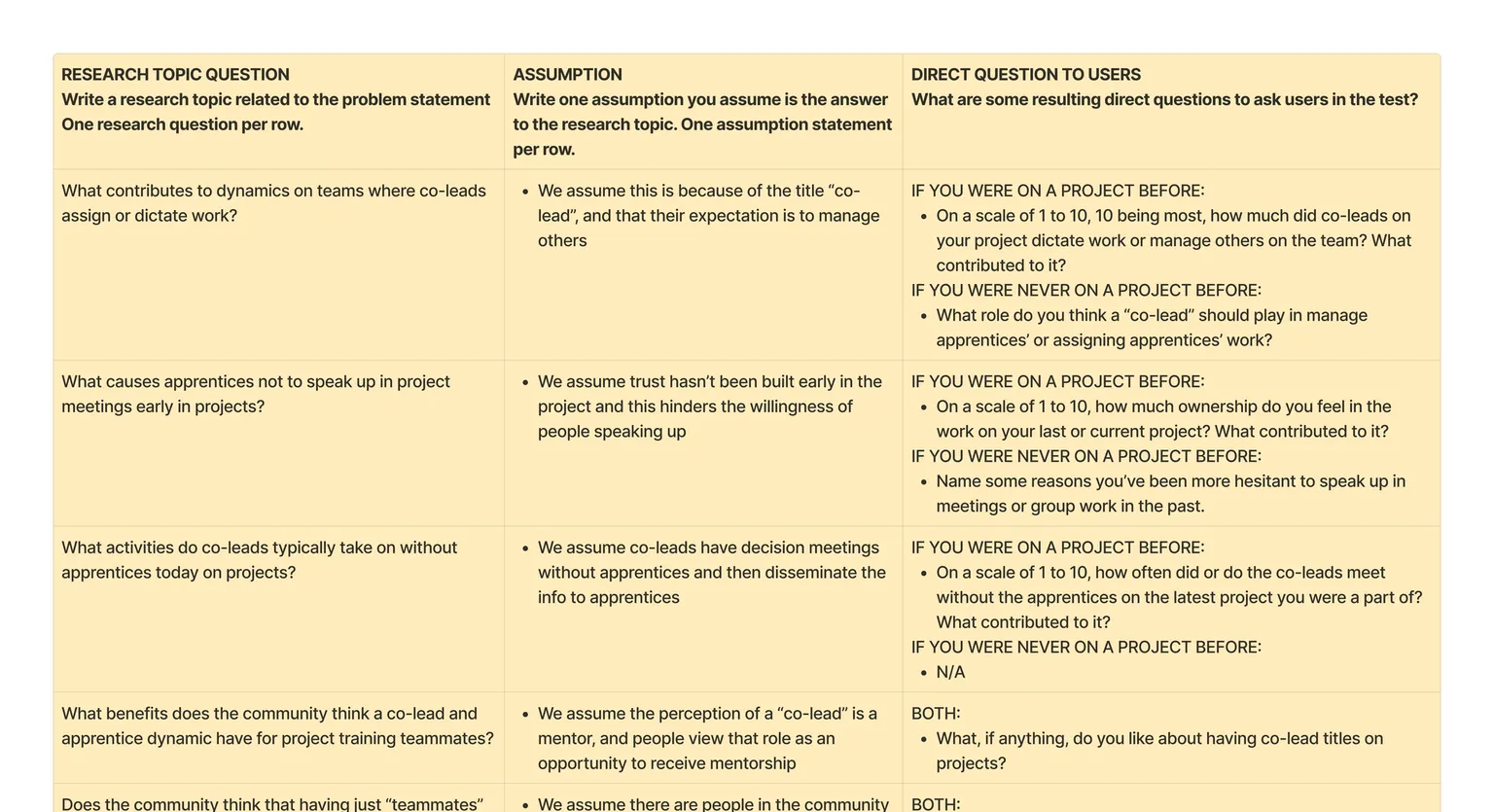
You too can learn how to be a scientist in business. It starts with documenting what you are trying to learn:
"Why is the Sky Blue?"
Then making assumptions about the question:
"We assume the sky is blue because of cloud gremlins"
"We assume the sky is blue because of the light reflecting from the sun"
"We assume the sky is not blue from different vantage points"
Then, you can document implications of the assumptions: what does it mean for your work if the assumption turns out to be "true" (Remember! Never truth, always assumptive results) and what does it mean for your work if the assumption turns out to be "false" (assumptive results)
Finally you can write questions you should ask people to test the assumption:
"What color is the sky to you?"
"Tell us about a time you had to look into the sky. What happened?"
"Why do you think the sky is the color that it is?"
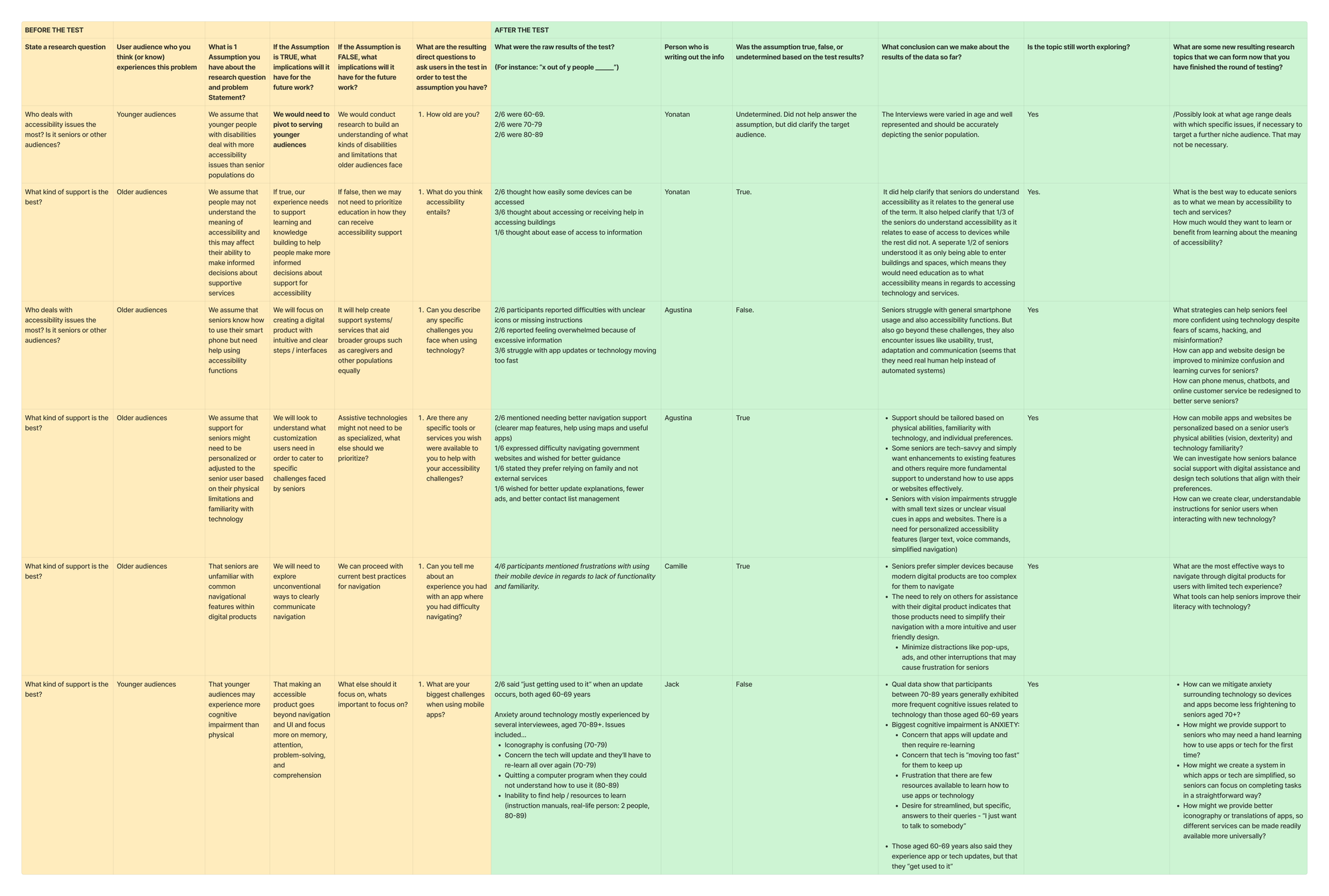
When you learn the answers, the answers are not...THE TRUTH! The conclusions you make are new assumptions. Go back to your priorities and re-confirm. Map new assumptions and shift outdated assumptions. Then the cycle of continuous problem-solving operations begins anew.
Use this template to create plans that track everything you ask people back to the underlying assumptions and topics you want to learn.